I stepped off the ferry onto Rangitoto Island and stood alone in the rain.
There was nobody else around. I had all my gear on my back, the weather was miserable, and I knew I had roughly three hours of walking ahead of me before reaching my accommodation.
And yet, standing there in the rain, I felt an enormous sense of relief.
It was unexpectedly emotional.
For the first time in months, I felt as though I could switch off.
Three months of uncertainty
Being made redundant and spending the following three months looking for work has been a challenging experience.
The job market is particularly difficult at the moment. You spend hours searching for opportunities, preparing applications and trying to remain positive, often with very little to show for your efforts.
The uncertainty gradually creeps into other parts of your life. Finances, the future, your confidence and even your physical health.
For me, it was particularly noticeable at night. I'd regularly wake around two or three in the morning, thinking about work, money and what the future might hold.
Even when I wasn't actively looking for work, my mind was rarely taking a break from it.
So I decided to give myself a couple of days away.
Nothing particularly extravagant. Just an overnight trip to Rangitoto Island, a place that's visible from much of Auckland but feels a world away once you're there.
An appropriate weather forecast
The weather forecast for my departure wasn't particularly encouraging.
Thunderstorms, torrential rain and severe weather warnings.
In some ways, it felt rather appropriate. The weather seemed to reflect how life had felt over the previous few months.
Unpredictable, unsettled and with no clear indication of when things might improve.
But I went anyway.
And as I stood there after stepping off the ferry, something changed.
The rain was still falling. My backpack was still heavy. The walk ahead wasn't getting any shorter.
But none of that bothered me.
There was something refreshing about having a simple, immediate challenge in front of me. All I needed to do was walk.
A different kind of solitude
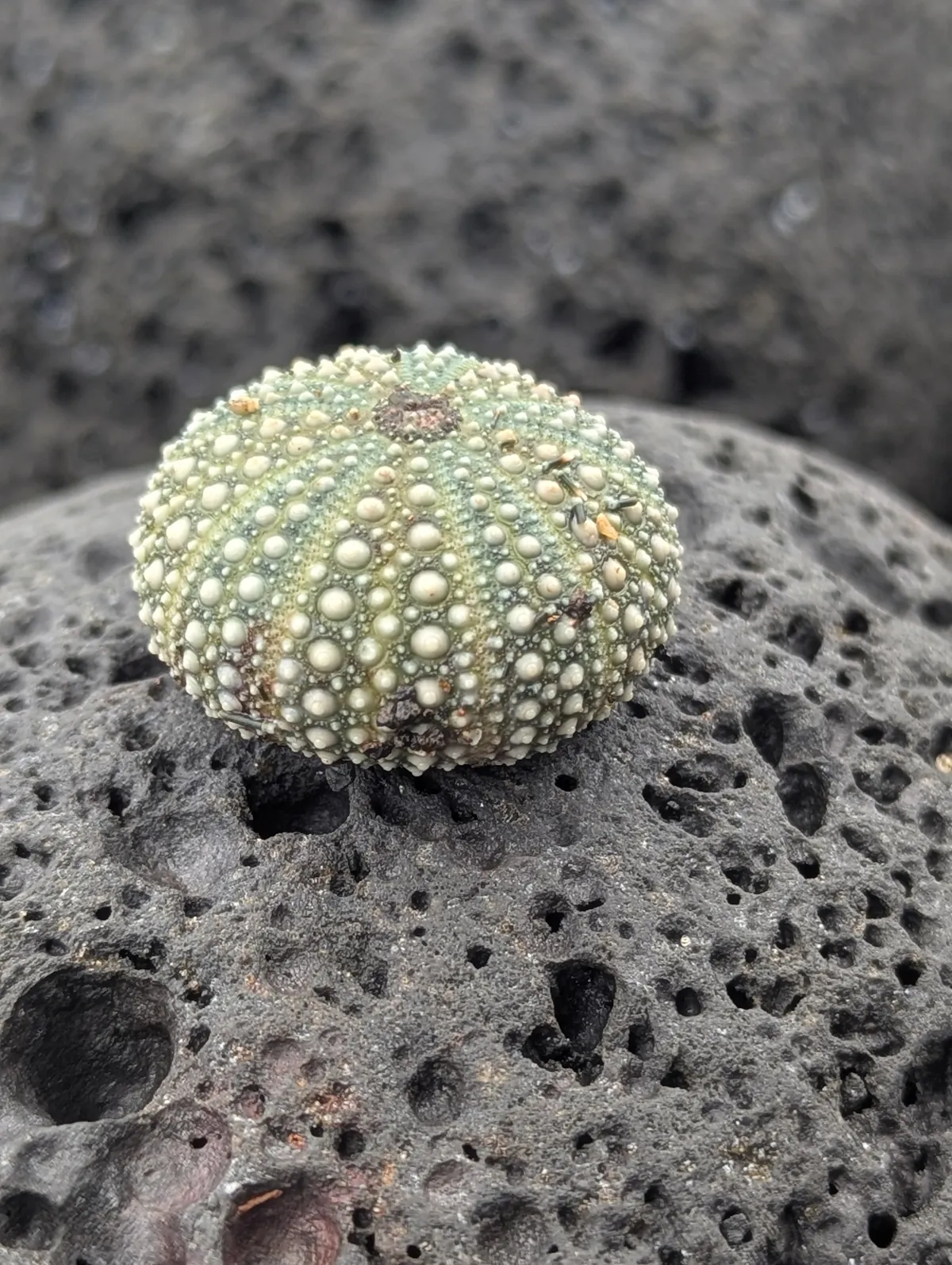
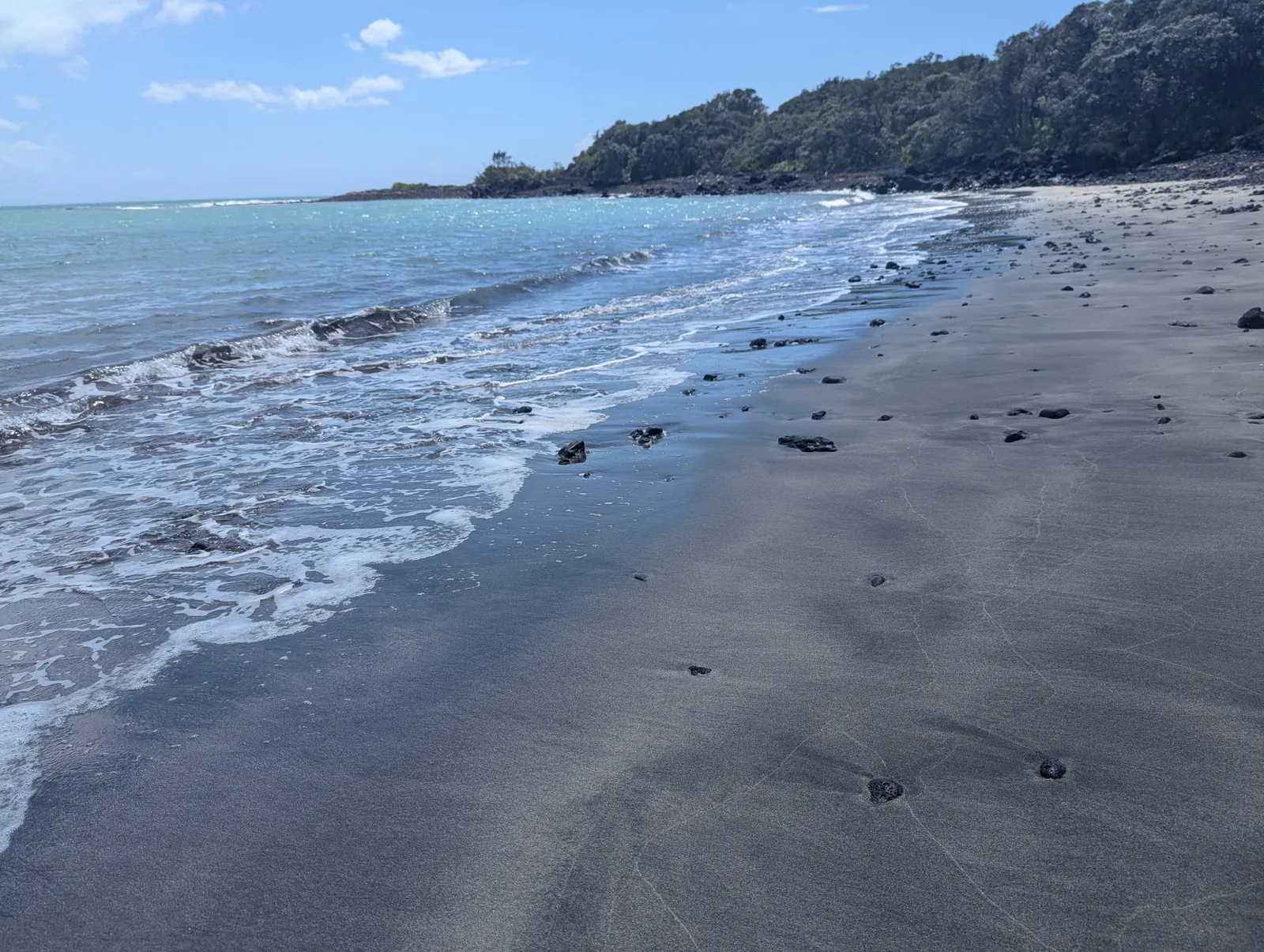
Walking through Rangitoto's volcanic landscape is quite an experience. The dark lava rock, the vegetation growing through it and the ever-changing coastline give the island a character of its own.
The weather added another dimension to it.
Rather than being disappointed by the rain, I found myself enjoying it. There was something liberating about being out in the elements, away from the usual distractions and responsibilities.
For once, I wasn't measuring my progress by applications submitted, emails received or opportunities found.
I was simply putting one foot in front of the other and enjoying where I was.
Finding peace at Wreck Bay
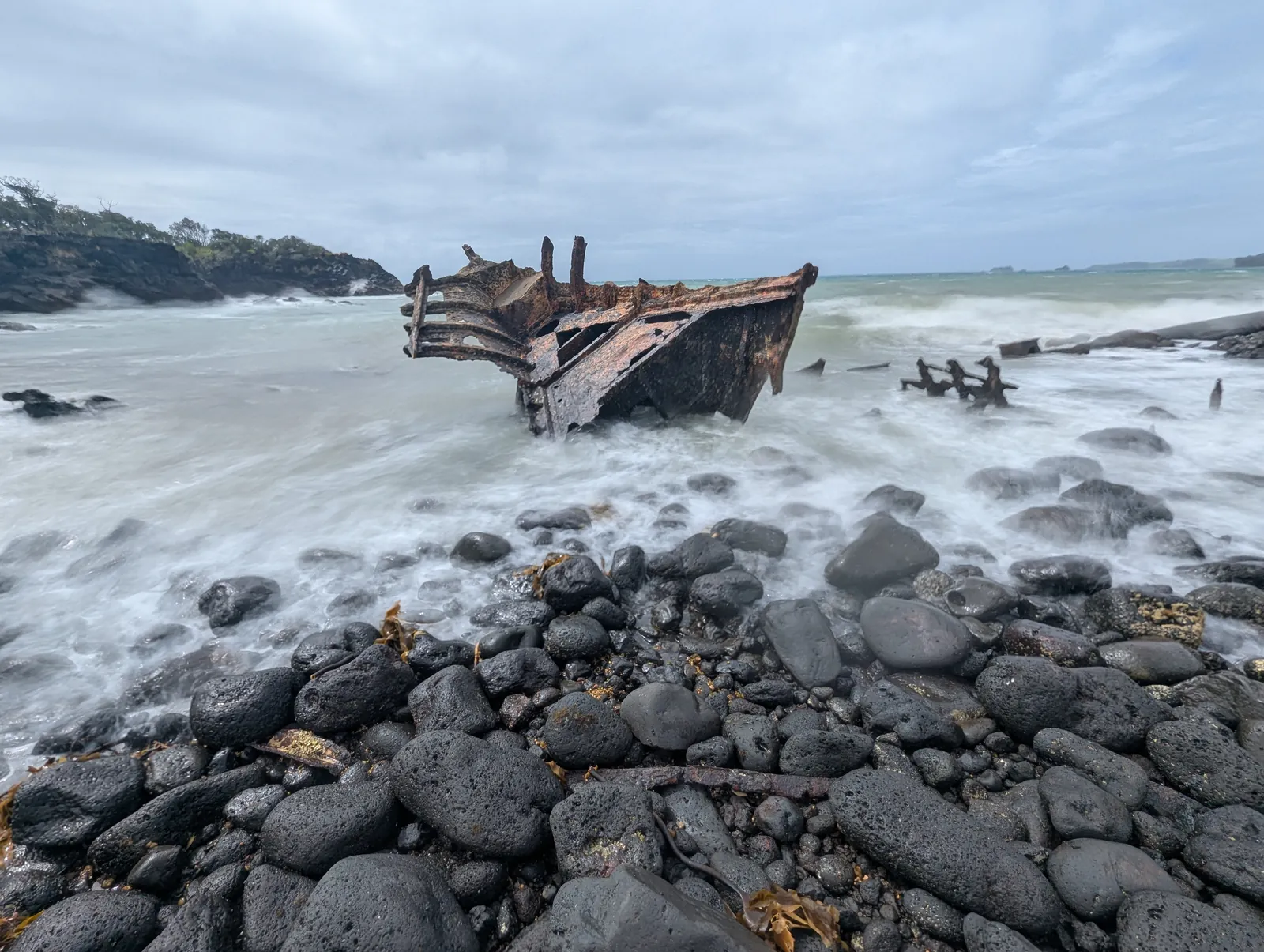
Before settling into my accommodation for the evening, I made the roughly two-hour return walk to Wreck Bay, where the remains of old ships lie along the volcanic coastline.
It was wild and exposed, with strong winds and rough seas.
I found a spot on the rocks and sat for a while, listening to the wind, the waves and the deep rumbling of the stones beneath the water.
I loved it.
There was something incredibly calming about being surrounded by all that noise and movement.
I wasn't thinking about work. I wasn't worrying about finances. I wasn't planning what I needed to do next.
I was just sitting there, listening.
I'd gone away hoping to find some peace, and strangely enough, I'd found it in the middle of a storm.
A little piece of the past
My accommodation for the night was a small bach at Islington Bay, dating back to the 1930s.
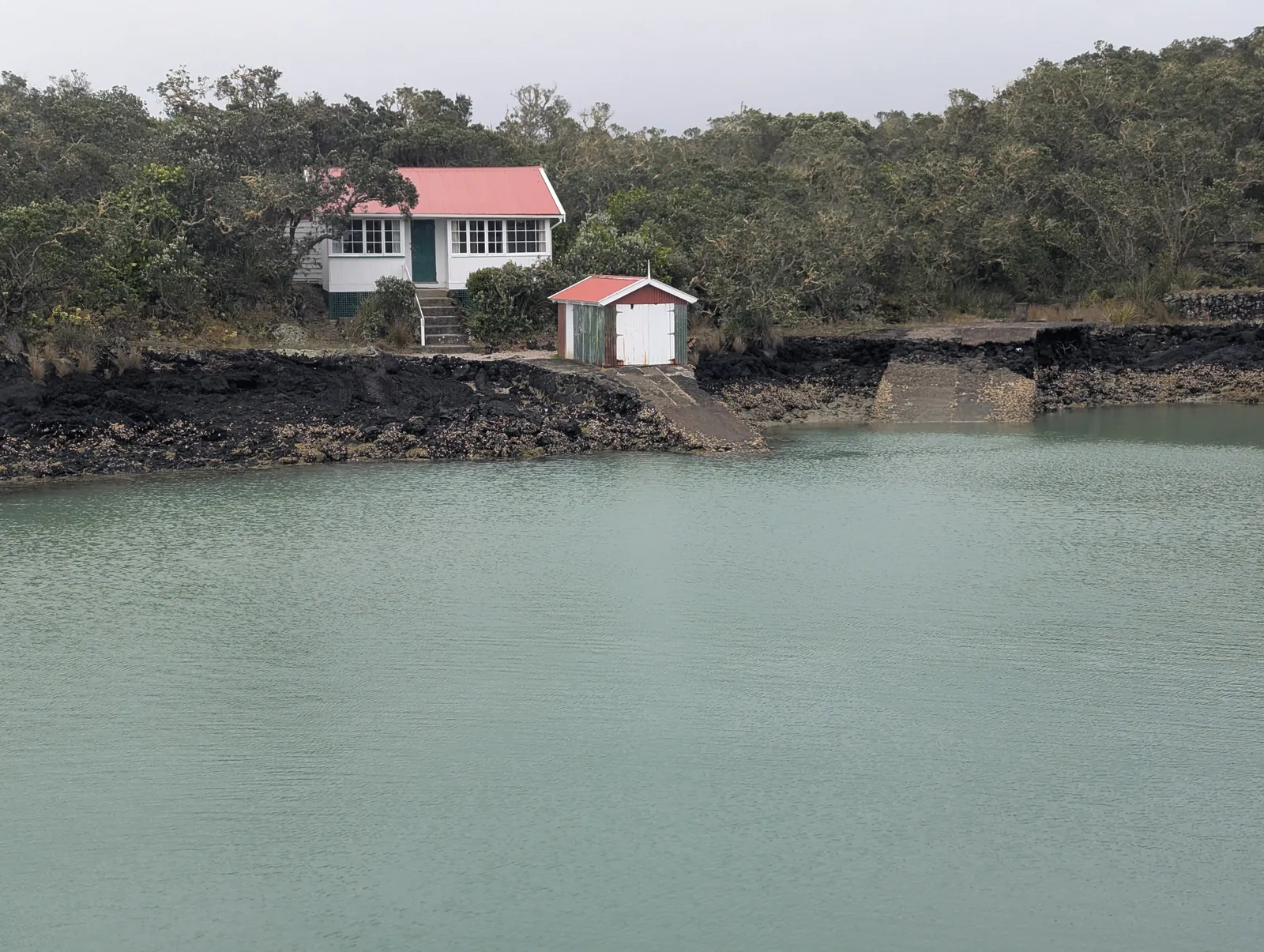
It was basic. No hot running water, no shower and solar-powered lights if needed.
If you wanted hot water to wash, you boiled the jug and waited.
Everything took a little longer, and I found myself appreciating that.
But what made the bach particularly special was how familiar it felt.
The old furniture, the cushions, the woollen blankets and all the little bits and pieces around the place reminded me of my grandparents' home when I was growing up.
Even the old, weathered kitchen table and the crockery felt familiar.
It brought back memories of a different time.
There was something wonderfully homely about it. Sitting inside with the rain falling outside, surrounded by things that reminded me of my childhood, I felt a kind of calm I hadn't experienced in a very long time.
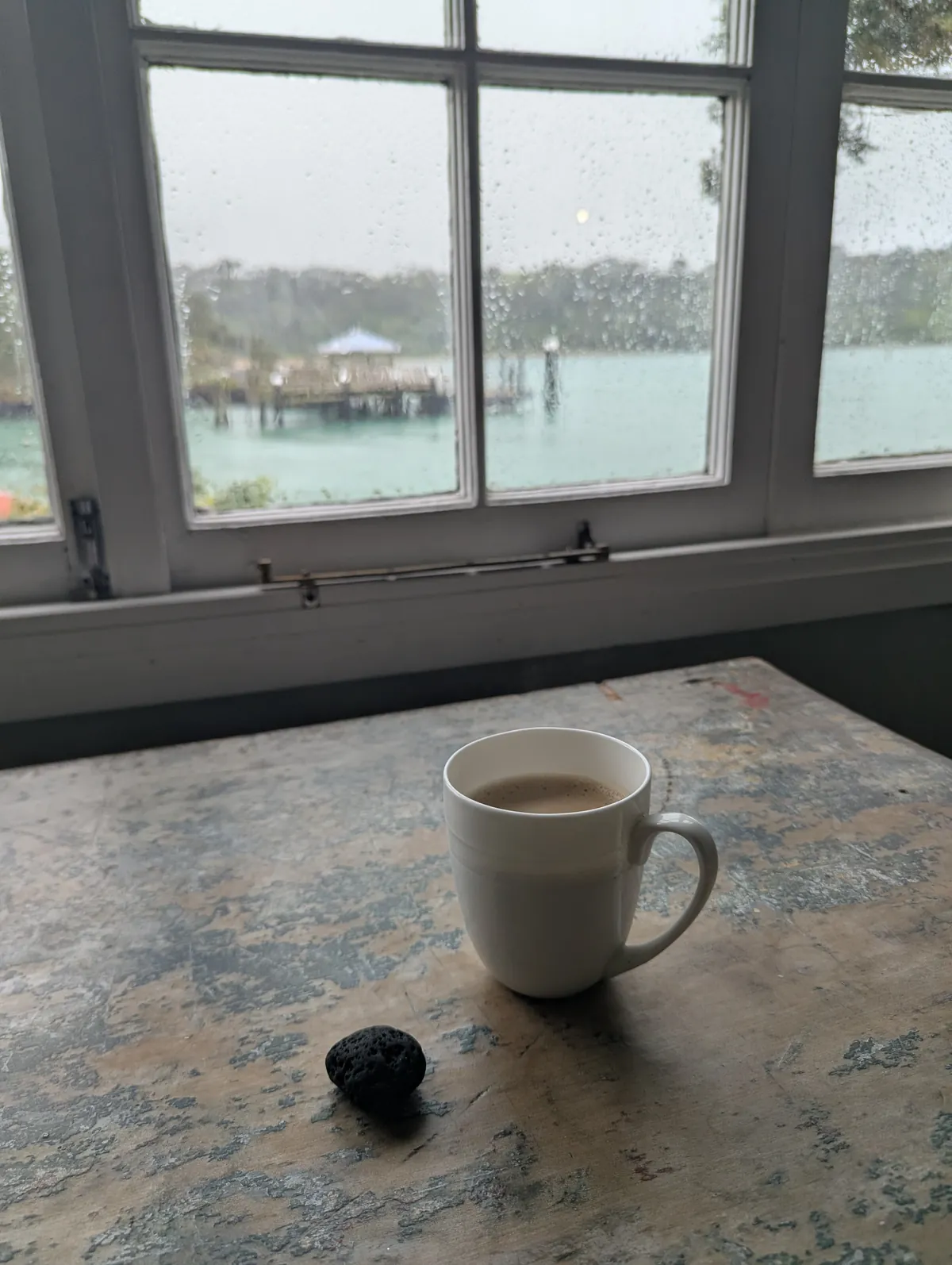
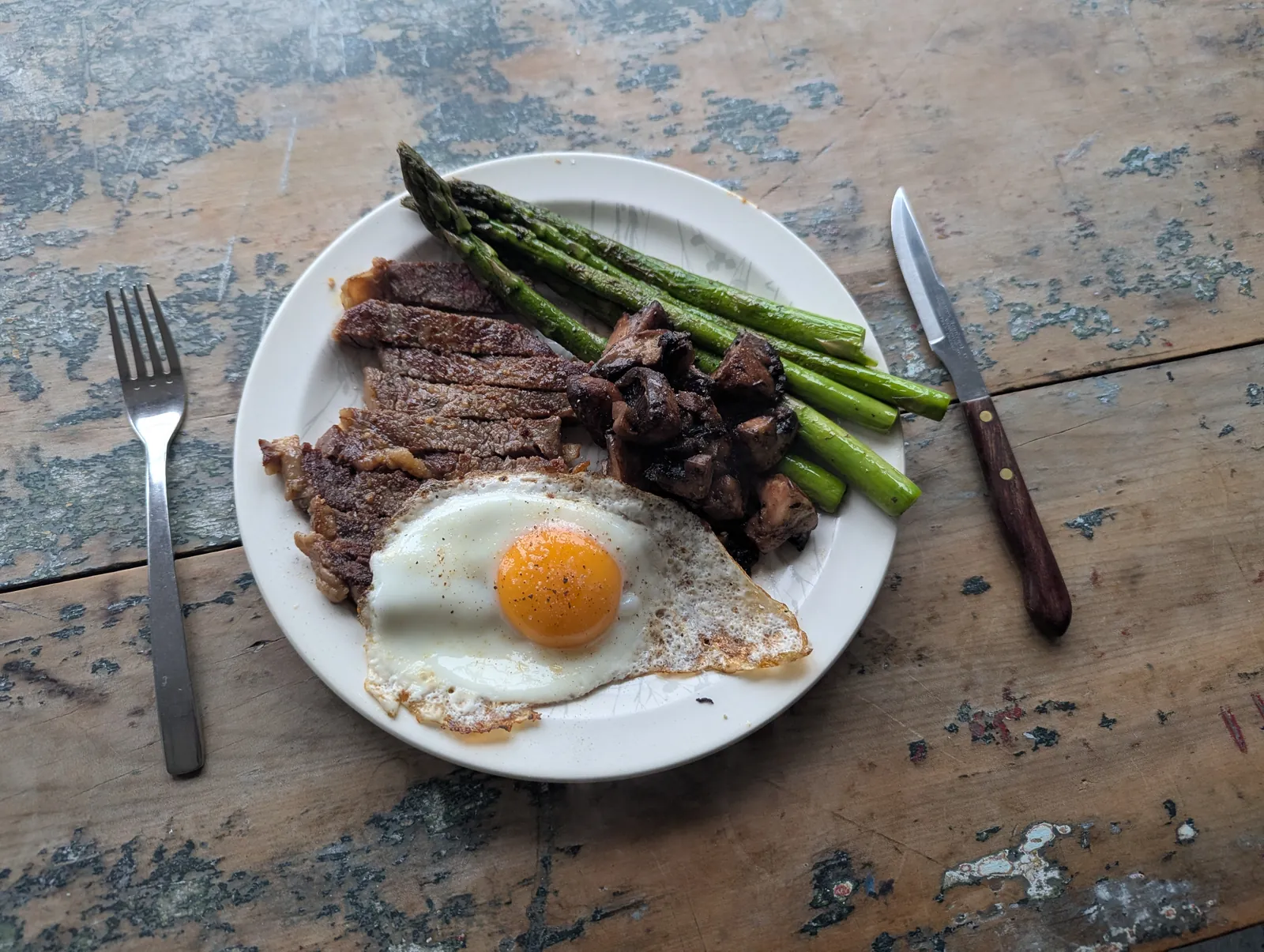
I'd come to Rangitoto to get away from the pressures of the present and unexpectedly found comfort in the simplicity of the past.
It made me think about how accustomed we've become to having everything immediately available. Hot water, information, entertainment and communication.
Here, the pace of life was different.
And I didn't miss any of those conveniences.
The best night's sleep
That evening, with little more than my sleeping bag and an old woollen blanket, I fell asleep quickly.
Normally, I'd expect to wake sometime around two or three in the morning, my mind immediately turning to the same familiar worries.
But not that night.
I slept right through.
No waking in the early hours. No thinking about work, money or the future.
It was the best night's sleep I'd had in a very long time.
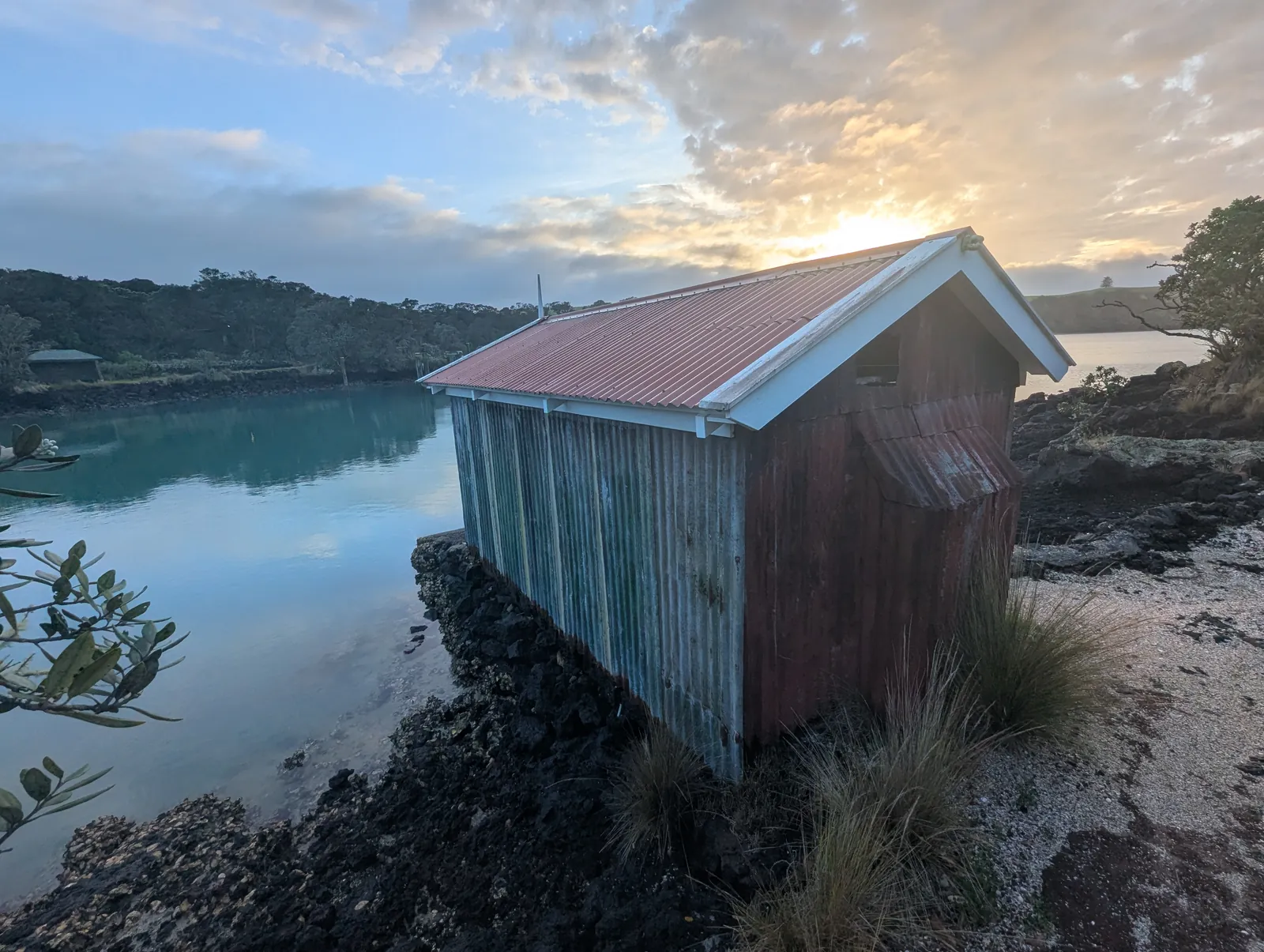
I woke naturally at sunrise, without an alarm, feeling genuinely rested.
Outside, the storm had passed.
A morning worth remembering
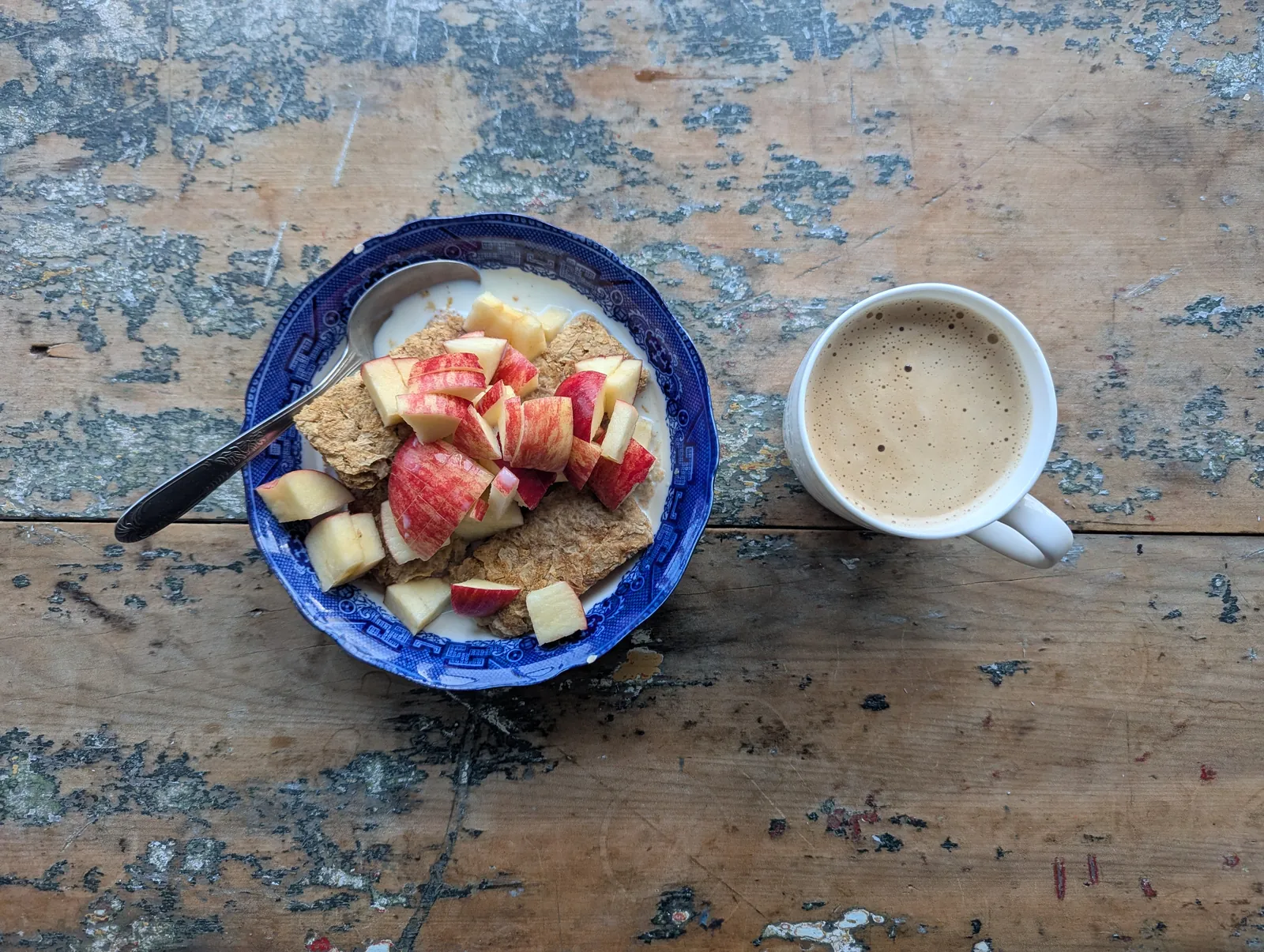
I made myself a simple breakfast of Weet-Bix, chopped apple and coffee, and took it down to the water.
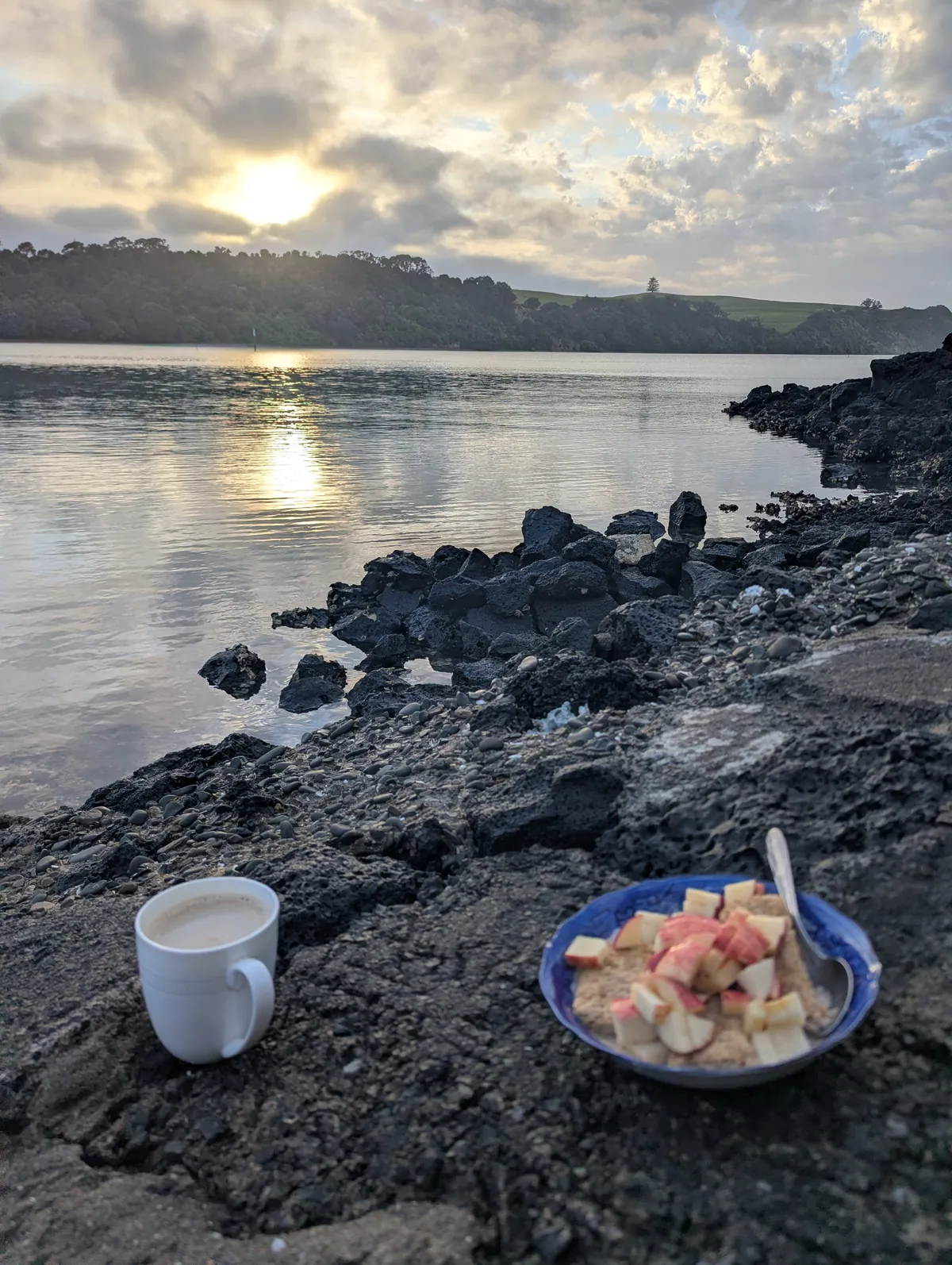
I sat near one of the boat ramps at Islington Bay, watching the island wake up.
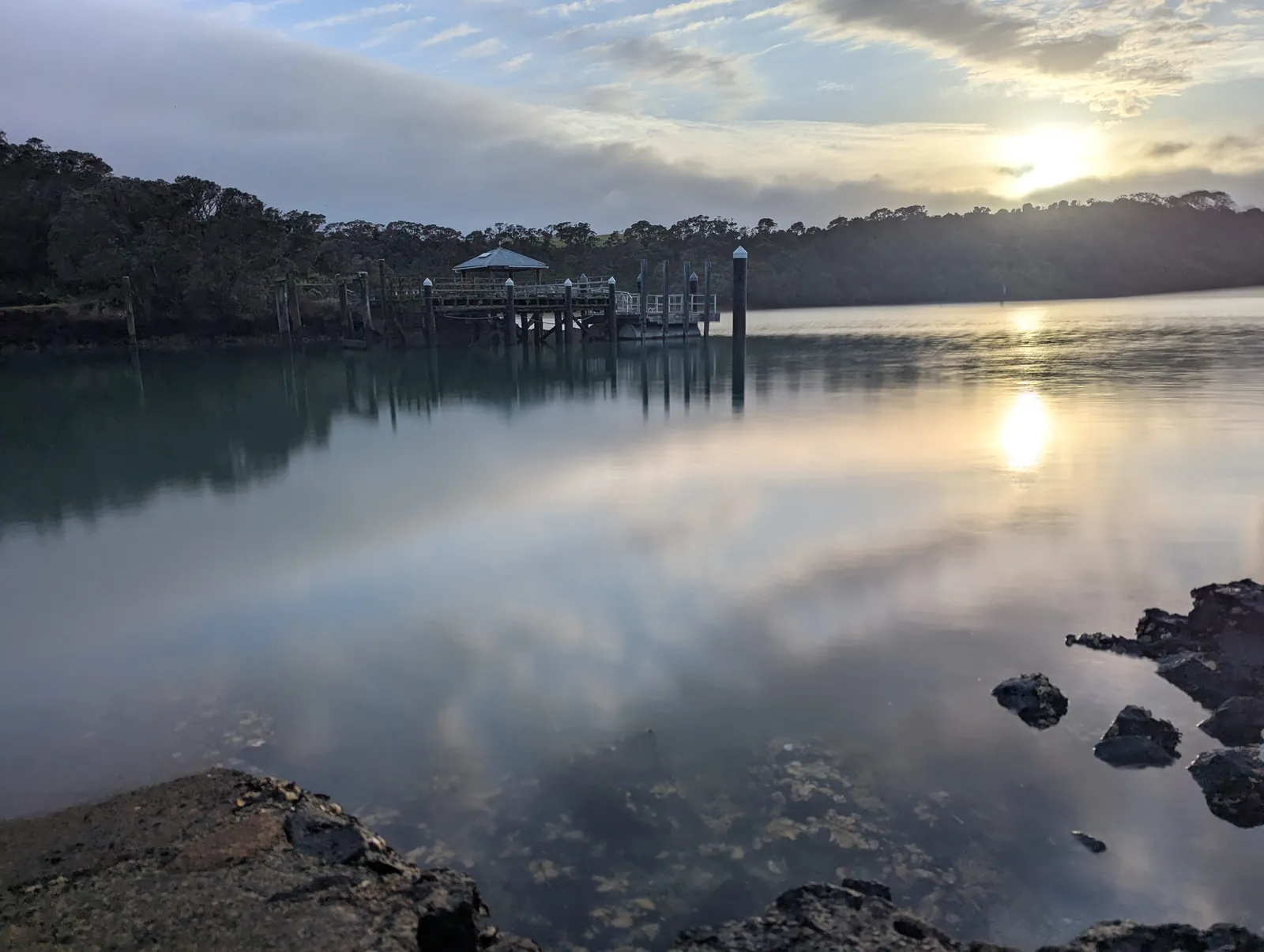
The water was calm. Fish were jumping, saddlebacks were calling and kākā were flying overhead.
An eagle ray glided through the shallow water, coming almost right up to my feet.
I sat there for a while, enjoying it all.
There was nowhere I needed to rush off to, nothing I needed to check and nothing particularly important to think about.
The worries that had occupied so much of my time over the previous three months hadn't even crossed my mind.
It was such a simple experience, but one of the highlights of the entire trip.
The long walk home
After packing up, I set off towards the summit of Rangitoto, before heading down towards McKenzie Bay and following the western coastline back towards the ferry.
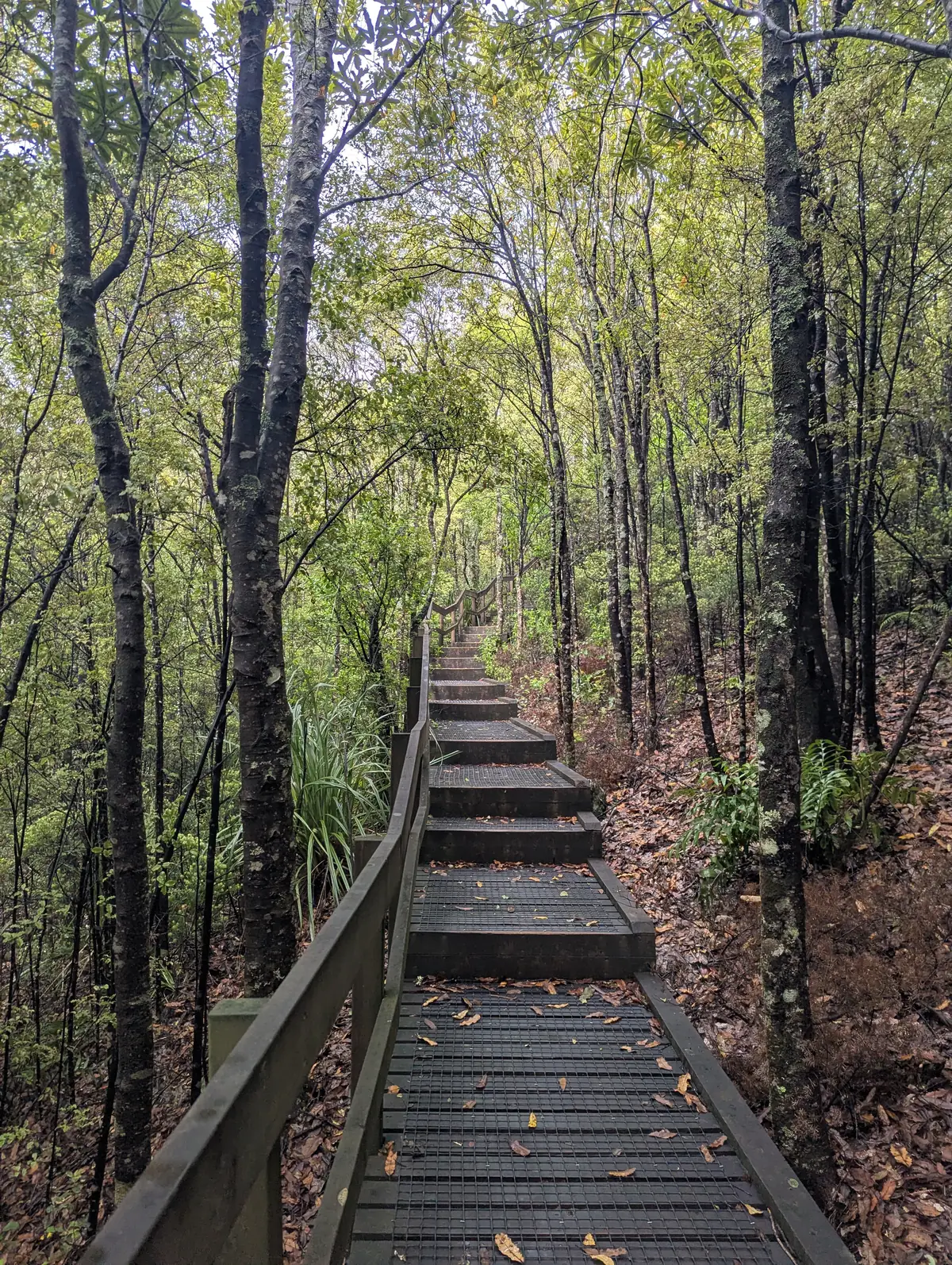
The second day's walk was considerably harder.
It was roughly four hours of walking, and some stretches of the track were less interesting than others. There were times when it was simply a matter of putting my head down and keeping going.
Not every part of an adventure is particularly enjoyable, and this was certainly one of those occasions.
To add to my frustration, my phone died along the way, meaning I couldn't take any more photographs.
What amused me was that I became frustrated with myself for being frustrated.
Here I was, on an island specifically to escape technology and the distractions of everyday life, getting annoyed because I couldn't use my phone.
Part of me knew I should embrace it. Enjoy the surroundings without feeling the need to capture everything.
Perhaps switching off takes a little more practice than I'd thought.
Returning to reality
By the time I boarded the ferry, I was exhausted.
Part of me was happy to be heading home, while another part was reluctant to leave. I'd had such a wonderful experience in such a short space of time.
But I felt refreshed, relaxed and genuinely calmer.
Nothing about my circumstances had changed.
I was still looking for work. The job market was still difficult, and the uncertainties about the future were still there.
What had changed was my perspective.
Since returning, I've found myself looking at the bigger picture rather than worrying about everything at once.
I'm trying to take things one step at a time, focusing on the opportunities that are available rather than dwelling on those that aren't.
I didn't go to Rangitoto expecting to find answers, and I didn't come home with any.
What I did come home with was a quieter mind, a renewed sense of perspective and a reminder that there's a whole life to enjoy outside of the things we spend so much time worrying about.
Sometimes, a little distance makes all the difference.
And sometimes, stepping away is part of moving forward.